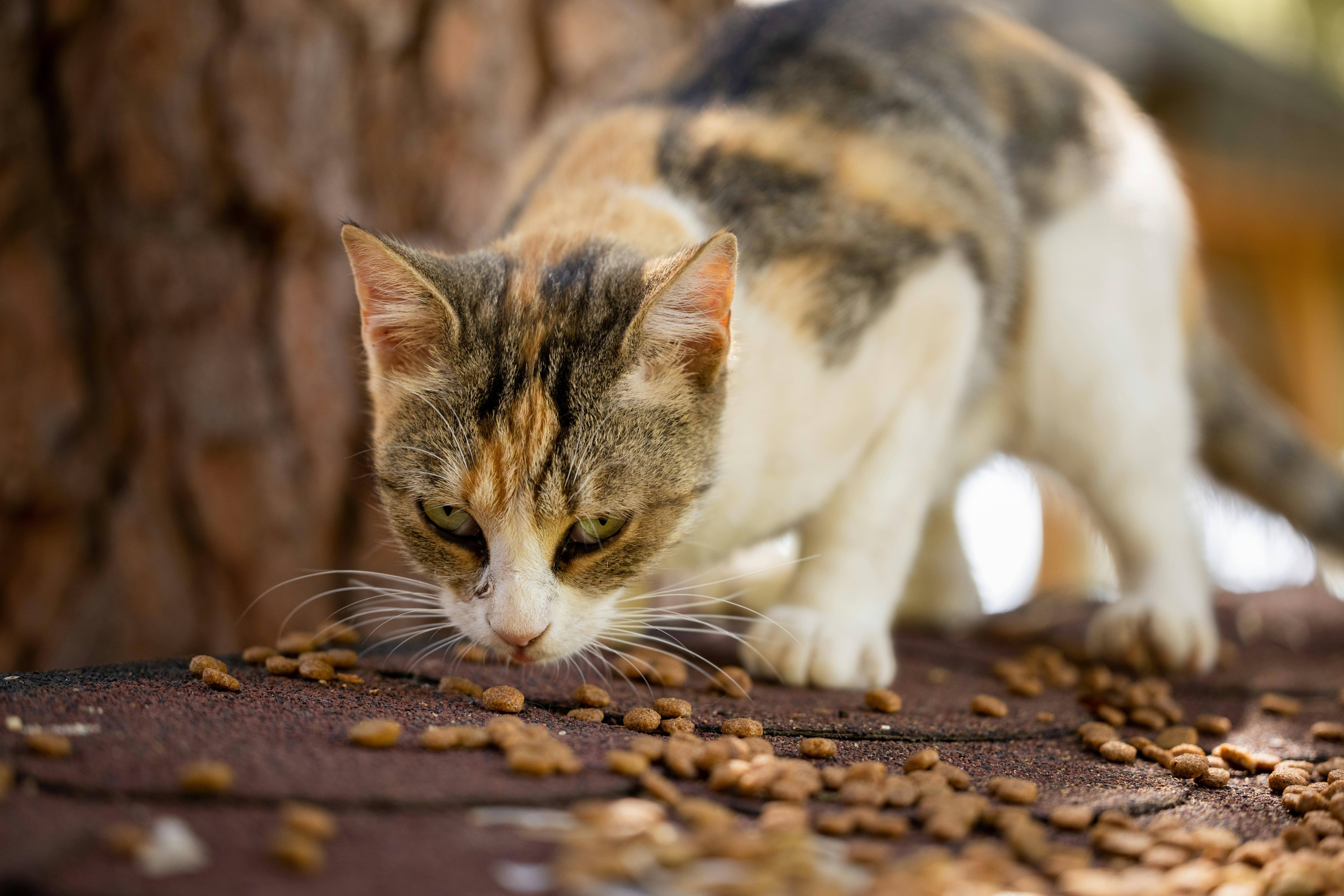
Proper nutrition is the foundation of good health for any pet, but it's especially critical for exotic animals. Unlike common pets like dogs and cats, exotic species have evolved to thrive on very specific diets in their natural habitats. Understanding these unique nutritional requirements is essential for keeping your exotic pet healthy and happy.
The Importance of Species-Specific Diets
Every exotic species has evolved to eat a particular type of diet. For example:
- Herbivores (like iguanas and tortoises) require a diet rich in leafy greens and vegetables
- Carnivores (like hedgehogs and some lizards) need a diet high in animal protein
- Omnivores (like sugar gliders and bearded dragons) need a balanced mix of plant and animal matter
- Frugivores (like some birds and primates) thrive on fruits and berries
Common Nutritional Deficiencies in Exotic Pets
Many exotic pets suffer from nutritional deficiencies due to improper diet. Some of the most common include:
Calcium Deficiency
Common in reptiles like bearded dragons and iguanas, calcium deficiency can lead to metabolic bone disease, which causes weak bones, deformities, and even death.
Vitamin A Deficiency
Often seen in amphibians and reptiles, vitamin A deficiency can cause eye problems, respiratory infections, and reproductive issues.
Protein Malnutrition
Critical for growing animals and breeding adults, protein malnutrition can lead to stunted growth, weak immune systems, and poor reproductive success.
Creating a Balanced Diet
To create a balanced diet for your exotic pet, follow these general guidelines:
- Research your specific species: Learn about their natural diet in the wild
- Provide variety: Offer a range of foods to ensure all nutritional needs are met
- Consider supplementation: Some species may need additional vitamins or minerals
- Monitor portion sizes: Overfeeding can lead to obesity and health problems
- Fresh is best: Whenever possible, provide fresh, high-quality foods
Diet Tips by Animal Type
Reptiles
Most reptiles need a diet that includes both animal protein and plant matter. Many require UVB lighting to properly absorb calcium. Bearded dragons, for example, need a mix of insects and vegetables, with the ratio changing as they mature.
Amphibians
Amphibians like axolotls and dart frogs typically eat small invertebrates. Their skin is very sensitive, so it's important to ensure their food is free from pesticides and other contaminants.
Small Mammals
Exotic small mammals like sugar gliders and hedgehogs have very specific dietary needs. Sugar gliders, for example, need a specialized diet that includes fruits, vegetables, insects, and a protein source like eggs or lean meat.
Birds
Many exotic birds require a diet that goes beyond just seeds. A balanced diet for most birds should include pellets, fresh fruits and vegetables, and occasional treats.
Consulting with Experts
While this guide provides general information, it's always best to consult with an exotic animal veterinarian or a knowledgeable breeder for specific dietary recommendations for your pet. They can help you create a customized diet plan that meets your pet's unique needs.
Remember: Proper nutrition is one of the most important things you can provide for your exotic pet. Taking the time to understand their unique dietary needs will help ensure a long, healthy, and happy life for your animal companion.