Understanding the Nutritional Needs of Exotic Pets
A comprehensive guide to providing balanced diets for different exotic species, from reptiles to small mammals.
Read Full ArticleExpert advice, research-backed information, and fascinating insights into the lives of exotic animals. Perfect for curious pet enthusiasts and responsible owners.
Educating and inspiring responsible exotic pet ownership worldwide.
Explore our in-depth guides to fascinating exotic animals from around the world.
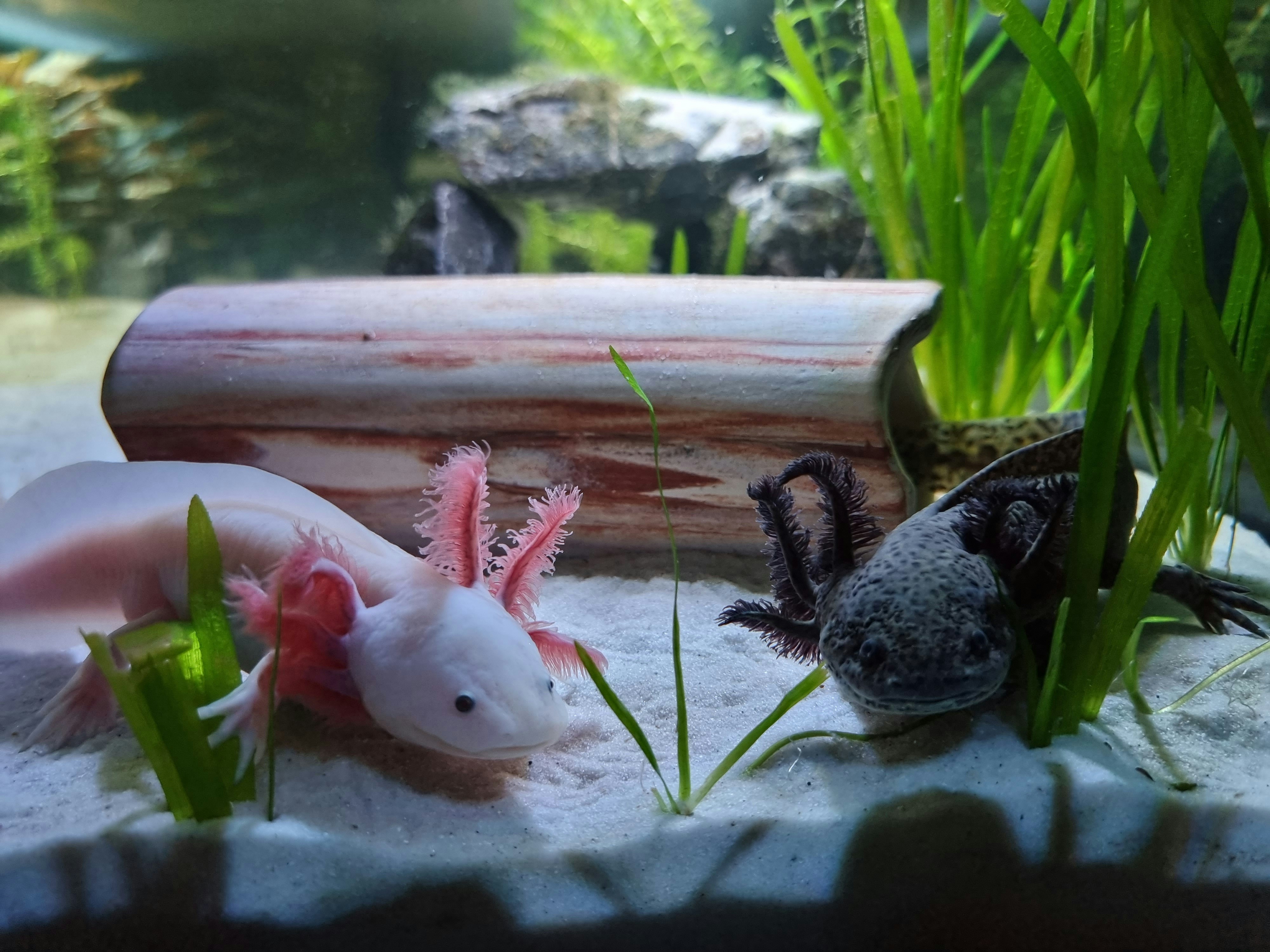
The fascinating Mexican walking fish that retains its juvenile features throughout life.
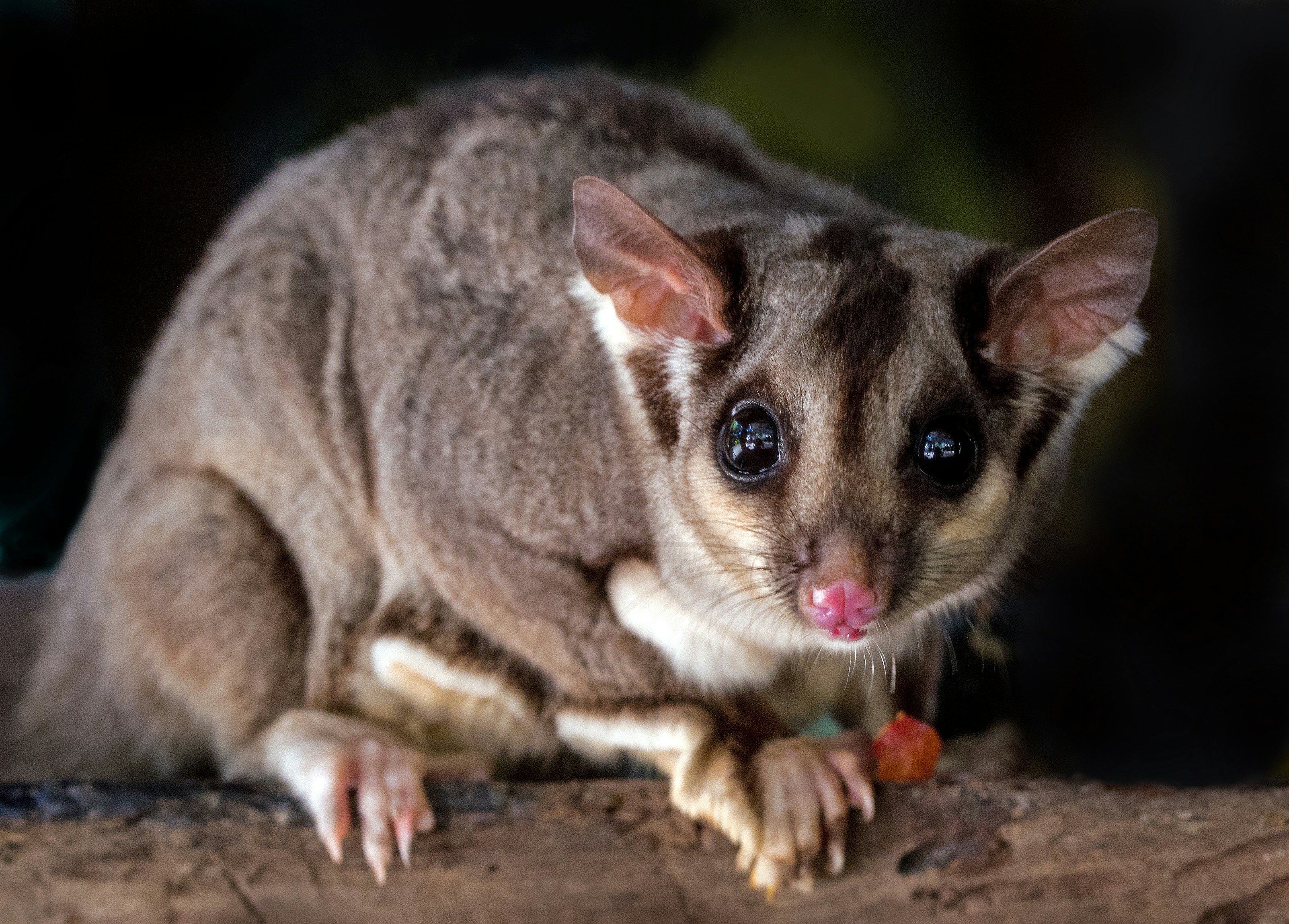
Learn More →These adorable marsupials are known for their ability to glide through the air using a patagium.
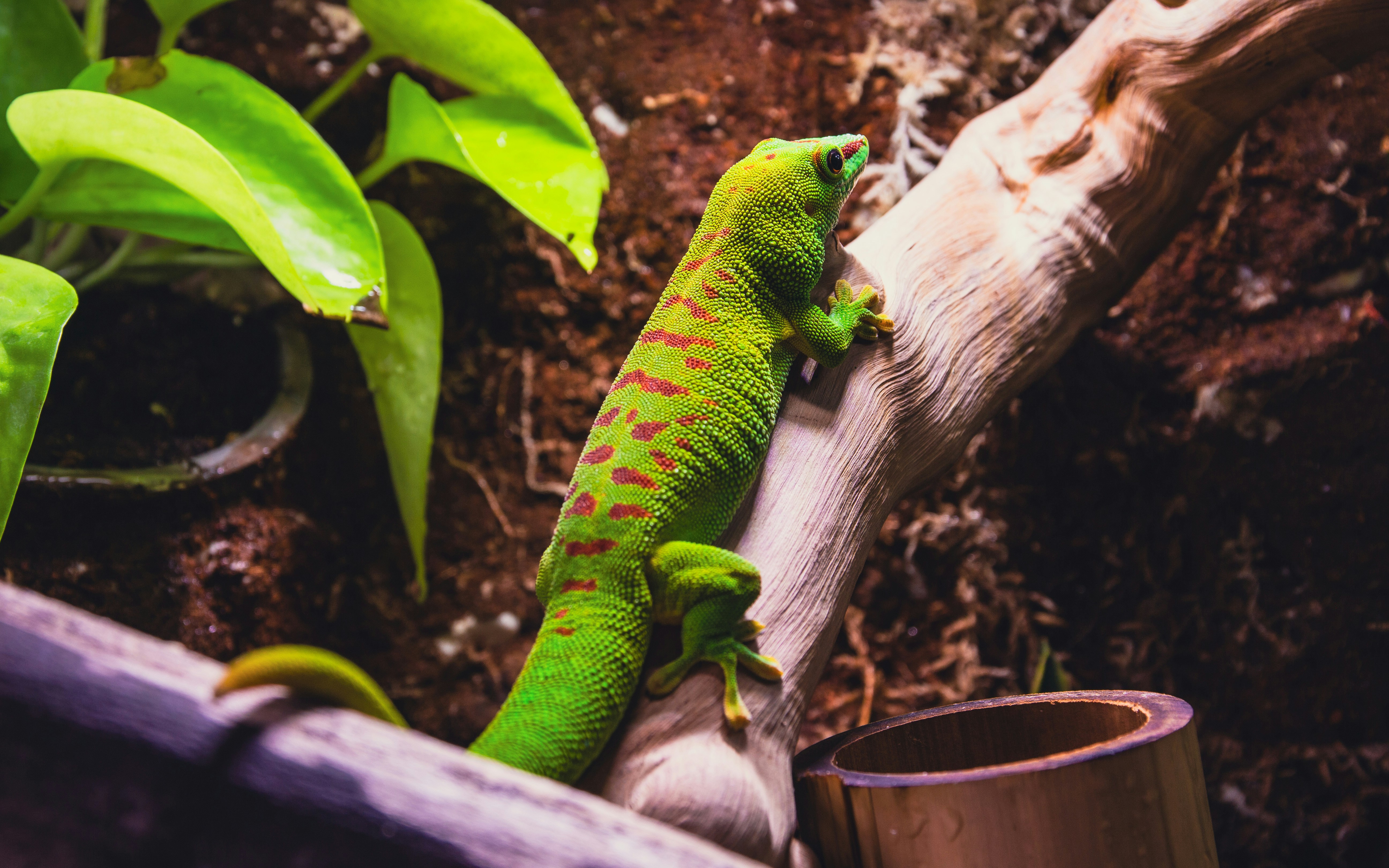
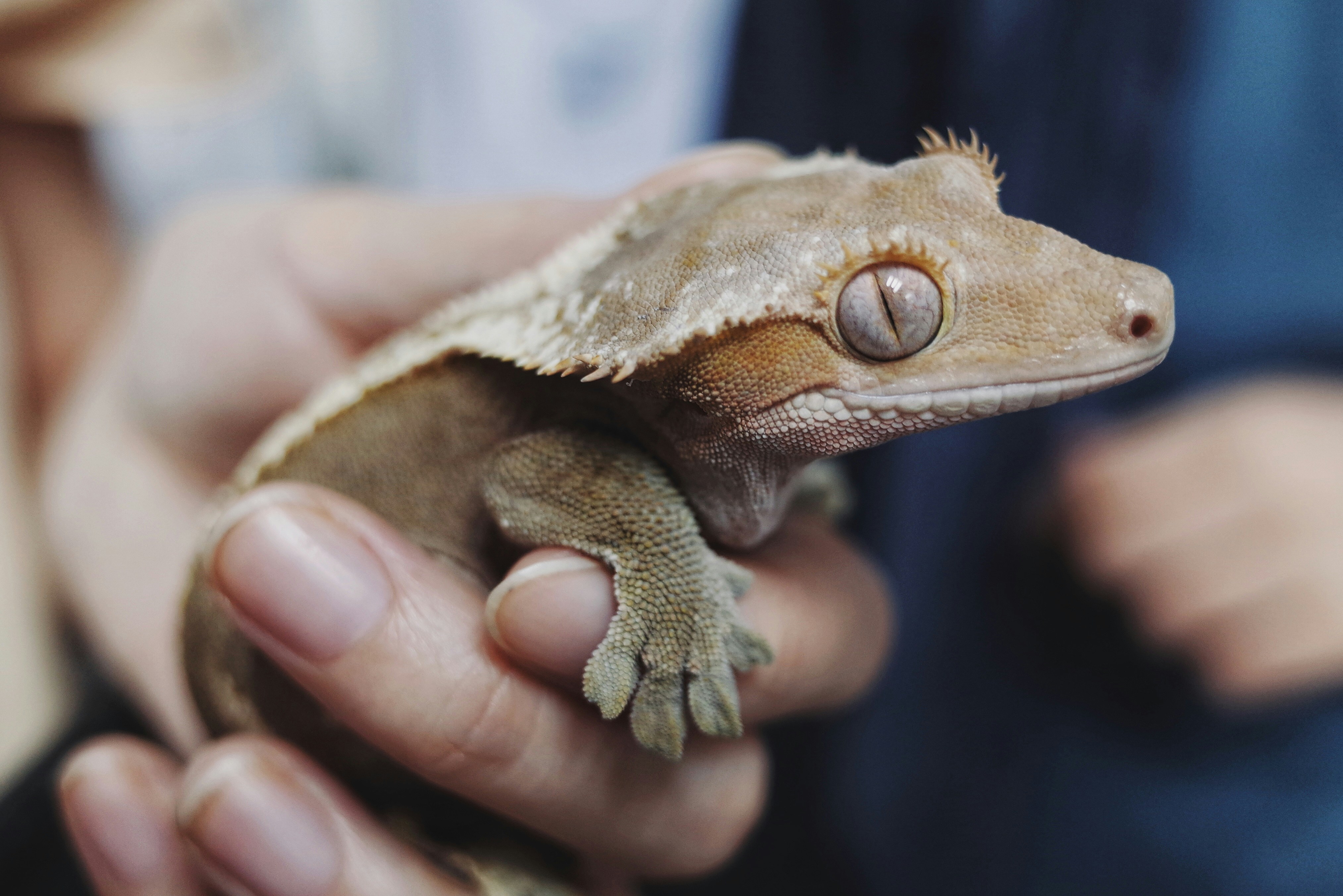
Learn More →Friendly and docile lizards that have become popular pets due to their easy care requirements.
Learn More →Expert insights and research-backed information on exotic pet care and behavior.
A comprehensive guide to providing balanced diets for different exotic species, from reptiles to small mammals.
Read Full ArticleLearn how to replicate natural environments for your exotic pets to ensure their health and happiness.
Read Full ArticleUnderstanding the unique behaviors of exotic pets and how to respond appropriately to their needs.
Read Full ArticleCritterKnow was founded with a mission to provide accurate, reliable information about exotic pets to enthusiasts and responsible owners worldwide. Our team of experts includes veterinarians, biologists, and experienced exotic pet keepers.
We believe that education is the key to promoting responsible exotic pet ownership. All our content is thoroughly researched and reviewed by experts to ensure it meets the highest standards of accuracy and reliability.
Learn More About UsGet answers to common questions from our team of exotic pet experts.
Sugar gliders require a balanced diet consisting of 50% insects, 25% fruits, and 25% vegetables. It's important to provide a variety of foods to ensure they get all the necessary nutrients. We recommend a base diet of high-quality commercial glider food supplemented with fresh produce and live insects like crickets and mealworms.
Dr. Michael Brown - Exotic Animal Veterinarian
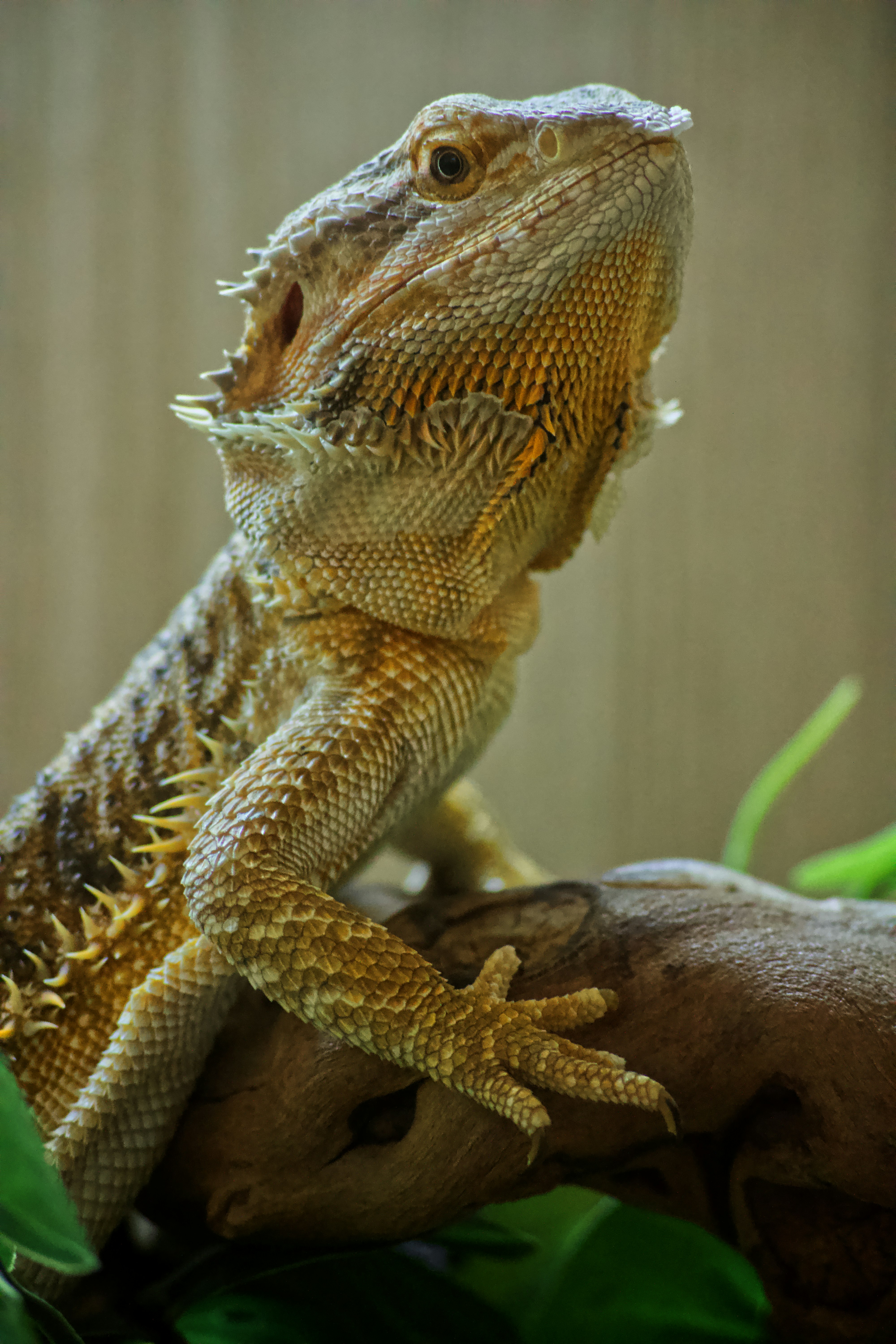
You should spot clean your bearded dragon's enclosure daily by removing any feces or uneaten food. A full deep clean should be done every 4-6 weeks, which involves removing all substrate, cleaning the enclosure with a reptile-safe disinfectant, and replacing all decorations and substrate.
Dr. Sarah Johnson - Herpetologist
It's generally not recommended to keep axolotls with fish. Axolotls are carnivorous and may try to eat smaller fish, and fish may nibble on the axolotl's gills. Additionally, axolotls require cooler water temperatures than most tropical fish, making it difficult to maintain ideal conditions for both.
Dr. Emily Chen - Aquatic Biologist