One of the most important aspects of exotic pet care is creating a suitable habitat that mimics their natural environment. A well-designed enclosure provides physical and mental stimulation, supports natural behaviors, and contributes to overall health and well-being.
Understanding Natural Habitats
Before designing your pet's habitat, research their natural environment. Consider:
- Geographic location: Tropical rainforests, deserts, grasslands, or aquatic environments
- Climate conditions: Temperature range, humidity levels, and photoperiod (light cycle)
- Physical features: Trees, rocks, burrows, water sources, and vegetation
- Social structure: Solitary or group-living species
Key Habitat Components
Every exotic pet habitat should include these essential components:
Proper Enclosure Size
Provide enough space for your pet to move, climb, fly, or swim comfortably. A cramped enclosure can lead to stress, behavioral issues, and health problems.
Temperature Regulation
Most exotic pets are ectothermic (cold-blooded) and require a temperature gradient to regulate their body temperature effectively.
Humidity Control
Many tropical species need specific humidity levels to maintain healthy skin, respiratory function, and proper shedding.
Lighting
UVB lighting is essential for reptiles and some amphibians to synthesize vitamin D3, which helps them absorb calcium.
Habitat Design by Species
Reptiles
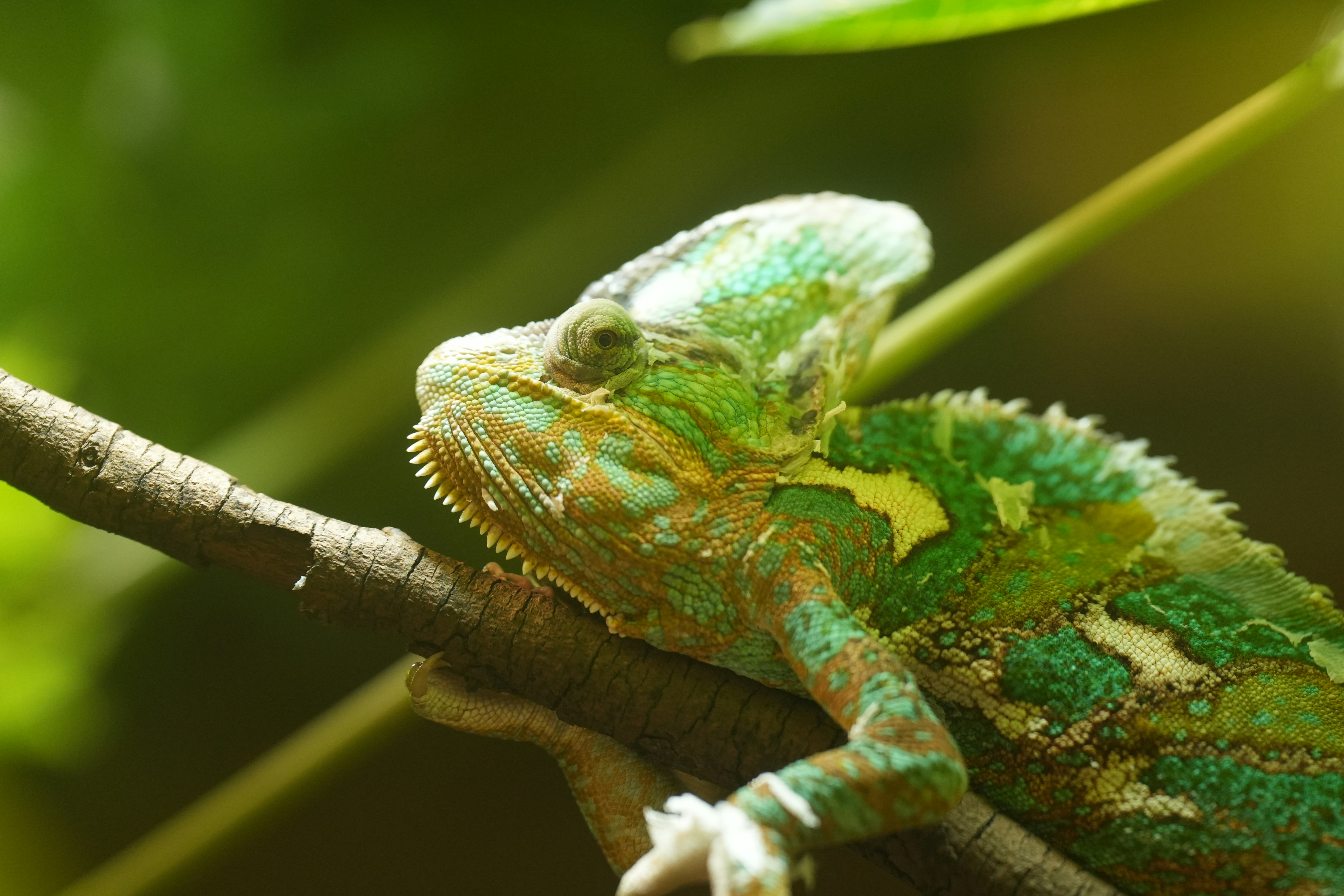
Reptile habitats vary widely. Desert-dwelling species like bearded dragons need a warm, dry environment with plenty of basking spots, while rainforest species like chameleons require high humidity, climbing structures, and dense vegetation.
Amphibians
Amphibians like axolotls need aquatic or semi-aquatic environments with clean, dechlorinated water. Poison dart frogs require a humid, well-ventilated enclosure with live plants and hiding places.
Small Mammals
Exotic small mammals have diverse habitat needs. Sugar gliders require vertical space for climbing and gliding, while hedgehogs need a secure enclosure with burrowing materials and a wheel for exercise.
Birds
Birds need spacious cages with horizontal bars for climbing, multiple perches of different sizes, and toys for mental stimulation. Larger birds like parrots may require an aviary rather than a traditional cage.
Enrichment and Natural Behaviors
A stimulating habitat encourages natural behaviors like foraging, climbing, burrowing, and exploring. Add enrichment items such as:
- Live or artificial plants for hiding and climbing
- Branches, logs, and rocks for perching and basking
- Foraging toys and puzzle feeders
- Substrate for burrowing or digging
- Water features for swimming or bathing
Maintenance and Cleaning
Regular maintenance is crucial for a healthy habitat:
- Daily spot cleaning: Remove waste and uneaten food
- Weekly maintenance: Clean and sanitize food and water dishes
- Monthly deep cleaning: Disinfect the entire enclosure and replace substrate
- Regular inspections: Check temperature, humidity, lighting, and enclosure integrity
Remember: A well-designed habitat is essential for your exotic pet's physical and mental well-being. Take the time to research their natural environment and create a space that meets all their needs.