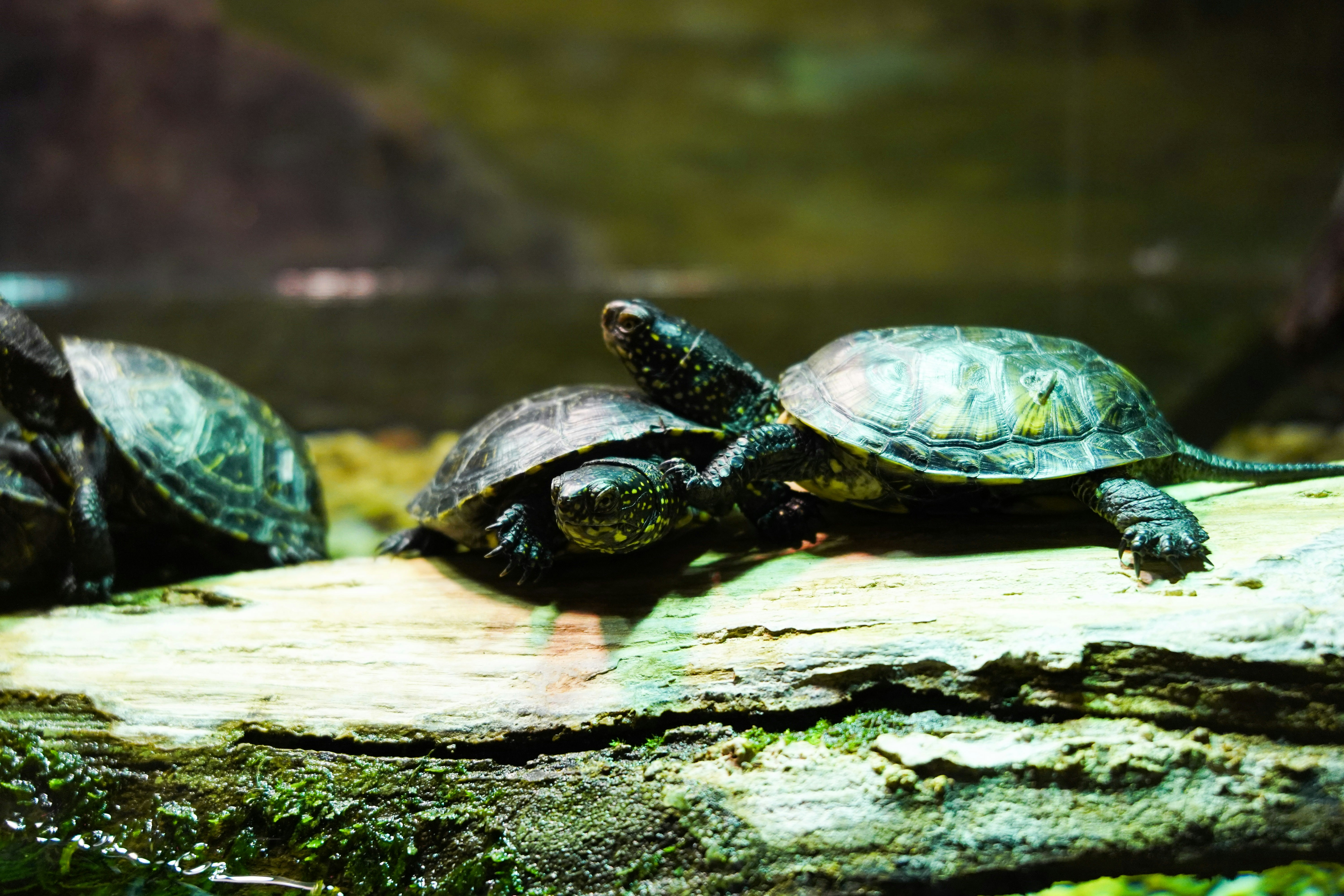
Exotic pets communicate in ways that may seem mysterious or even alarming to inexperienced owners. Understanding their behaviors is key to building a strong bond, recognizing signs of stress or illness, and providing appropriate care.
Natural vs. Abnormal Behaviors
The first step in decoding exotic pet behavior is distinguishing between natural, species-specific behaviors and abnormal behaviors that may indicate problems. For example:
Natural Behaviors
- Nocturnal activity patterns in sugar gliders
- Basking behavior in reptiles
- Burrowing in hedgehogs
- Vocalizations in birds
- Molting in amphibians
Abnormal Behaviors
- Excessive grooming or self-mutilation
- Loss of appetite or weight loss
- Aggression or excessive hiding
- Repetitive behaviors (stereotypies)
- Changes in activity level
Common Behavior Patterns and What They Mean
Aggression
Aggression in exotic pets can be caused by fear, territoriality, hormonal changes, or pain. Understanding the trigger is crucial. For example, a bearded dragon may bite if it feels threatened, while a parrot may become aggressive during breeding season.
Hiding
Many exotic pets, especially nocturnal species, hide during the day as part of their natural behavior. However, excessive hiding or refusal to come out may indicate stress, illness, or an unsuitable environment.
Vocalizations
Birds, reptiles, and some mammals use vocalizations to communicate. These can range from mating calls and territorial warnings to distress signals. Learning to recognize different sounds will help you respond appropriately.
Repetitive Behaviors
Repetitive behaviors like pacing, head bobbing, or feather plucking often indicate boredom, stress, or an inadequate environment. These are known as stereotypies and should be addressed by improving the habitat and providing enrichment.
Environmental and Social Factors
Exotic pet behavior is strongly influenced by their environment and social interactions. Key factors include:
- Habitat size and complexity: A cramped or barren enclosure can lead to stress and abnormal behaviors
- Temperature and humidity: Incorrect environmental conditions can cause discomfort and behavioral changes
- Social structure: Some species need companionship, while others are solitary and may become aggressive if housed together
- Human interaction: Regular, gentle handling can help socialize exotic pets, while rough or inconsistent handling can cause fear and aggression
Building Trust and Communication
Establishing trust with your exotic pet takes time and patience. Here are some tips:
- Respect their space: Allow your pet to approach you on their terms
- Be consistent: Establish regular feeding and handling routines
- Use positive reinforcement: Reward good behavior with treats and praise
- Learn their body language: Pay attention to subtle cues like posture, eye contact, and vocalizations
- Be gentle: Handle your pet with care and avoid sudden movements
When to Seek Help
If you notice any of the following, consult an exotic animal veterinarian:
- Sudden changes in behavior
- Loss of appetite or weight loss
- Aggression or excessive fear
- Self-injurious behaviors
- Signs of physical illness (discharge, swelling, lethargy)
Remember: Each exotic pet is an individual with its own personality and preferences. Taking the time to understand their unique behaviors will help you build a rewarding relationship and provide the best possible care.