Axolotl

Amphibian Mexican Walking Fish Neotenic

The fascinating Mexican walking fish that retains its juvenile features throughout life. Known for their incredible regenerative abilities and unique appearance.

Axolotl

Species Overview

The axolotl (Ambystoma mexicanum) is a paedomorphic salamander belonging to the Ambystomatidae family, closely related to the tiger salamander (Ambystoma tigrinum). This fascinating species is endemic to the ancient lake system of Xochimilco and Chalco in the Valley of Mexico.

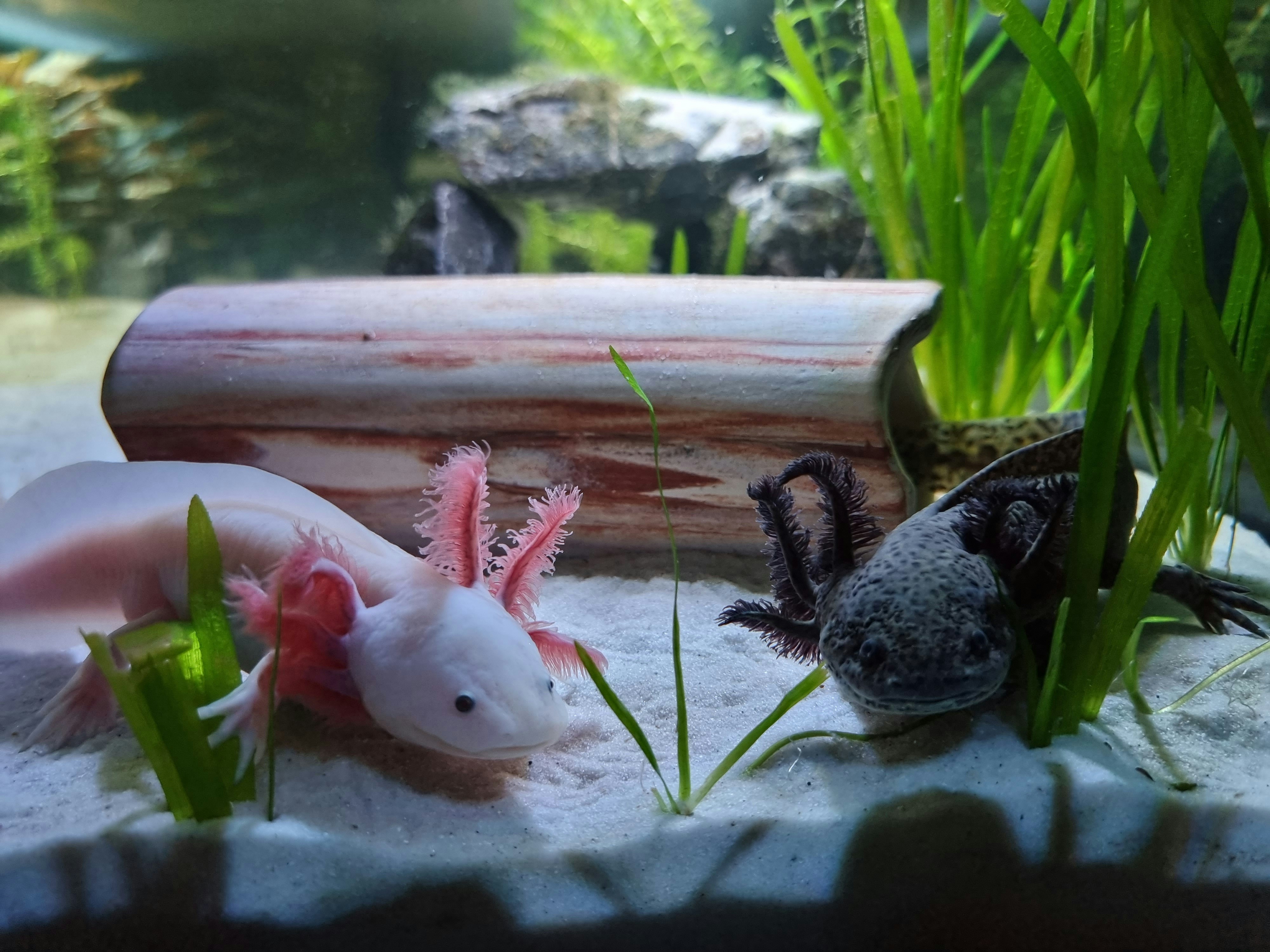
One of the axolotl's most remarkable features is its retention of juvenile characteristics throughout adulthood, a phenomenon known as neoteny. Unlike most amphibians, axolotls do not undergo complete metamorphosis - they retain their external gills, fin-like tail, and fully aquatic lifestyle even when sexually mature.

In the wild, axolotls are critically endangered according to the IUCN Red List, primarily due to urbanization, water pollution, and the introduction of invasive species like tilapia and carp. However, they thrive in captivity and have become model organisms in scientific research, particularly in the fields of developmental biology, regeneration, and stem cell research.

Scientific Classification

  • Kingdom: Animalia
  • Phylum: Chordata
  • Class: Amphibia
  • Order: Urodela
  • Family: Ambystomatidae
  • Genus: Ambystoma
  • Species: Ambystoma mexicanum

Natural Habitat

Axolotls are endemic to the high-altitude (2,240 meters above sea level) lake system of Xochimilco and Chalco in the Valley of Mexico. This ancient lake complex was once part of a much larger hydrological network that covered the entire valley before the Spanish conquest.

Their natural habitat is characterized by shallow, murky freshwater with dense submerged vegetation (particularly water lilies and reeds), muddy or silty bottoms, and low light penetration. These conditions provide excellent camouflage and hiding places for the axolotl, which is primarily nocturnal.

Optimal Habitat Conditions

  • Temperature: 14-20°C (57-68°F)
  • pH Level: 6.5-8.0
  • Water Hardness: 5-15 dGH
  • Oxygen Levels: 6-8 mg/L
  • Lighting: Low to moderate

Habitat Threats

  • Urban expansion and infrastructure development
  • Water pollution from agricultural runoff and sewage
  • Introduction of invasive fish species
  • Draining of natural lakes for flood control
  • Climate change affecting water levels and quality

Today, Lake Chalco has been completely drained to prevent flooding in Mexico City, while Lake Xochimilco exists only as a network of canals covering less than 10% of its original area. Conservation efforts are underway, including habitat restoration projects and captive breeding programs, to prevent the axolotl's extinction in the wild.

Care Requirements

Housing

  • Tank Size: Minimum 20 gallons for one adult axolotl, 30-40 gallons for two adults. Larger tanks are always better as axolotls are active swimmers.
  • Substrate: Fine sand (less than 1mm grain size) is ideal. Avoid gravel, small rocks, or sharp substrates that can cause impaction or injury.
  • Filtration: Use a gentle, low-flow filter (sponge filters are excellent) to avoid stressing the axolotl's delicate gills. Axolotls prefer calm water.
  • Decorations: Provide hiding places like PVC pipes, ceramic caves, or live plants (Anubias, Java fern, Hornwort). Avoid sharp or rough decorations.
  • Lighting: Keep lighting low - axolotls are sensitive to bright light. Use a timer for 8-10 hours of indirect light daily.
  • Location: Place the tank away from direct sunlight, heaters, and high-traffic areas to minimize stress.

Water Conditions

Maintaining proper water quality is critical for axolotl health. Use a reliable water test kit to monitor these parameters:

  • Temperature: 14-20°C (57-68°F) - critical for health. Temperatures above 22°C (72°F) can be fatal.
  • pH Level: 6.5-8.0 (aim for 7.0-7.5)
  • Ammonia: 0 ppm (toxic at any level)
  • Nitrite: 0 ppm (toxic at any level)
  • Nitrate: < 20 ppm (keep as low as possible)
  • General Hardness (GH): 5-15 dGH
  • Carbonate Hardness (KH): 3-8 dKH
  • Chlorine/Chloramine: 0 ppm

Perform 20-30% water changes weekly using dechlorinated water. For tap water, use a water conditioner that neutralizes both chlorine and chloramine.

Diet

Axolotls are carnivorous predators that require a diet high in protein and low in fat:

  • Primary Food Sources: Earthworms (best staple food), bloodworms (frozen or live), brine shrimp (adult only), and axolotl-specific pellets.
  • Occasional Treats: Daphnia, blackworms, and small pieces of fish (avoid goldfish which carry parasites).
  • Feeding Schedule: Juveniles (under 6 inches): daily; Adults: 2-3 times per week.
  • Feeding Tips: Feed at night when axolotls are most active. Use feeding tweezers to place food directly in front of them. Remove uneaten food after 15-20 minutes to maintain water quality.

Health and Wellness

  • Common Health Issues: Bacterial infections (red patches), fungal infections (white cotton-like growth), impaction (constipation from substrate), and stress-related issues.
  • Signs of a Healthy Axolotl: Active swimming, responsive behavior, intact gills (fanning regularly), and a healthy appetite.
  • Veterinary Care: Find a veterinarian experienced with amphibians. Regular check-ups are recommended, especially if you notice any changes in behavior or appearance.
  • Quarantine: Always quarantine new axolotls for 4-6 weeks before introducing them to an established tank.

Behavior and Social Needs

  • Activity: Primarily nocturnal, most active at dawn and dusk.
  • Social Behavior: Generally solitary - can be kept together but monitor for aggression. Provide plenty of space and hiding places.
  • Communication: Use body language (gill flaring, tail twitching) and chemical signals to communicate.
  • Handling: Minimize handling - axolotls have delicate skin that can be easily damaged. If necessary, use a wet, soft net or wet hands.

Fun Facts

Regeneration Superpowers

Axolotls can regenerate entire limbs, spinal cord, heart, and even parts of their brain without scarring.

Neoteny

They retain juvenile features throughout their lives, including external gills and a tail fin.

Color Variations

Wild axolotls are brown with gold spots, but captive breeds include white, black, and albino varieties.

Long Lifespan

With proper care, axolotls can live up to 10-15 years in captivity.

Quick Facts

Scientific Name: Ambystoma mexicanum
Average Size: 9-12 inches
Lifespan: 10-15 years
Diet: Carnivorous
Conservation Status: Critically Endangered
Native Range: Mexico

Related Species

Sugar Glider

Sugar Glider

Marsupial

Bearded Dragon

Bearded Dragon

Reptile