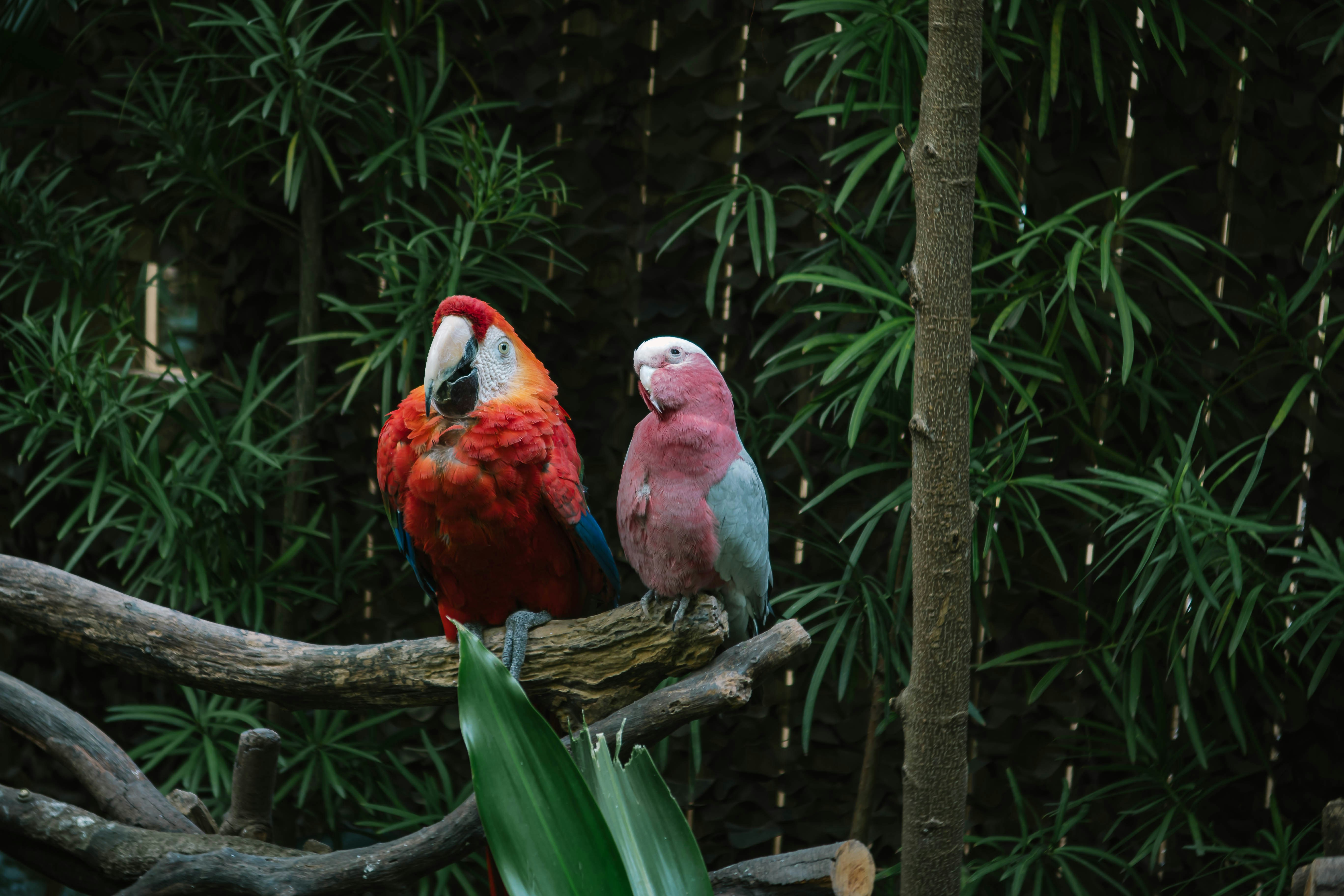
Ethical breeding of exotic pets is a critical topic that impacts the welfare of animals, conservation efforts, and the health of captive populations. Unlike domesticated species that have been bred for thousands of years to live alongside humans, many exotic species retain their wild instincts and specialized needs. Responsible breeding practices prioritize the well-being of animals while minimizing negative impacts on wild populations.
The Importance of Ethical Breeding
Ethical breeding practices are essential for several reasons:
- Preventing genetic disorders and health issues in captive populations
- Ensuring animals are well-socialized and suitable for captive environments
- Reducing demand for wild-caught animals, which can threaten conservation efforts
- Maintaining genetic diversity within captive populations
- Educating potential owners about the responsibilities of exotic pet ownership
Key Principles of Ethical Breeding
1. Prioritize Animal Welfare
The welfare of breeding animals and their offspring should always be the top priority. This includes providing:
- Adequate space and enrichment for breeding pairs
- Proper nutrition and veterinary care throughout the breeding process
- Minimizing stress during mating, gestation, and birth
- Ensuring offspring receive appropriate care and socialization
2. Health Screening and Genetic Testing
Responsible breeders conduct thorough health screenings and genetic testing to prevent the spread of hereditary diseases. This includes:
- Regular veterinary check-ups for breeding animals
- Genetic testing for known hereditary conditions
- Avoiding breeding animals with health issues that could be passed to offspring
- Maintaining detailed health records for breeding lines
3. Responsible Selection of Breeding Pairs
Ethical breeders carefully select breeding pairs to maintain genetic diversity and promote desirable traits. This involves:
- Avoiding inbreeding, which can increase the risk of genetic disorders
- Selecting animals with good temperament and adaptability to captive environments
- Considering the conservation status of the species
- Limiting breeding frequency to ensure the health of breeding females
4. Proper Socialization and Early Care
Offspring from ethical breeders receive proper socialization and early care to prepare them for life in captivity. This includes:
- Allowing sufficient time with the mother for proper development
- Gradual introduction to human interaction
- Exposure to different environments and stimuli
- Appropriate weaning processes based on the species' natural development
5. Educating Potential Owners
Ethical breeders take responsibility for educating potential owners about the specific needs of the species they're breeding. This includes:
- Providing detailed care information for the species
- Screening potential owners to ensure they can provide appropriate care
- Offering ongoing support and guidance after the sale
- Encouraging responsible ownership practices
Red Flags of Unethical Breeding
It's important to be aware of red flags that may indicate unethical breeding practices:
- Breeders who prioritize rare color morphs over animal health
- Lack of health screening or genetic testing
- Overcrowded or unsanitary breeding facilities
- Selling animals at too young an age
- Not providing care information or ongoing support
- Breeding animals that are known to have health issues
- Refusing to allow visits to the breeding facility
The Role of Breeders in Conservation
Ethical breeders can play a positive role in conservation efforts by:
- Participating in captive breeding programs for endangered species
- Educating the public about conservation issues
- Supporting conservation organizations through donations or fundraising
- Reducing demand for wild-caught animals through responsible captive breeding
Conclusion
Ethical breeding practices are essential for the well-being of exotic pets and the sustainability of captive populations. By prioritizing animal welfare, conducting proper health screenings, and educating potential owners, responsible breeders can make a positive impact on the exotic pet community.
If you're considering purchasing an exotic pet, take the time to research breeders thoroughly, ask about their breeding practices, and ensure they prioritize the health and welfare of their animals.
Remember: Owning an exotic pet is a long-term commitment that requires specialized knowledge and resources. Always do your research and choose responsible breeders who prioritize animal welfare.