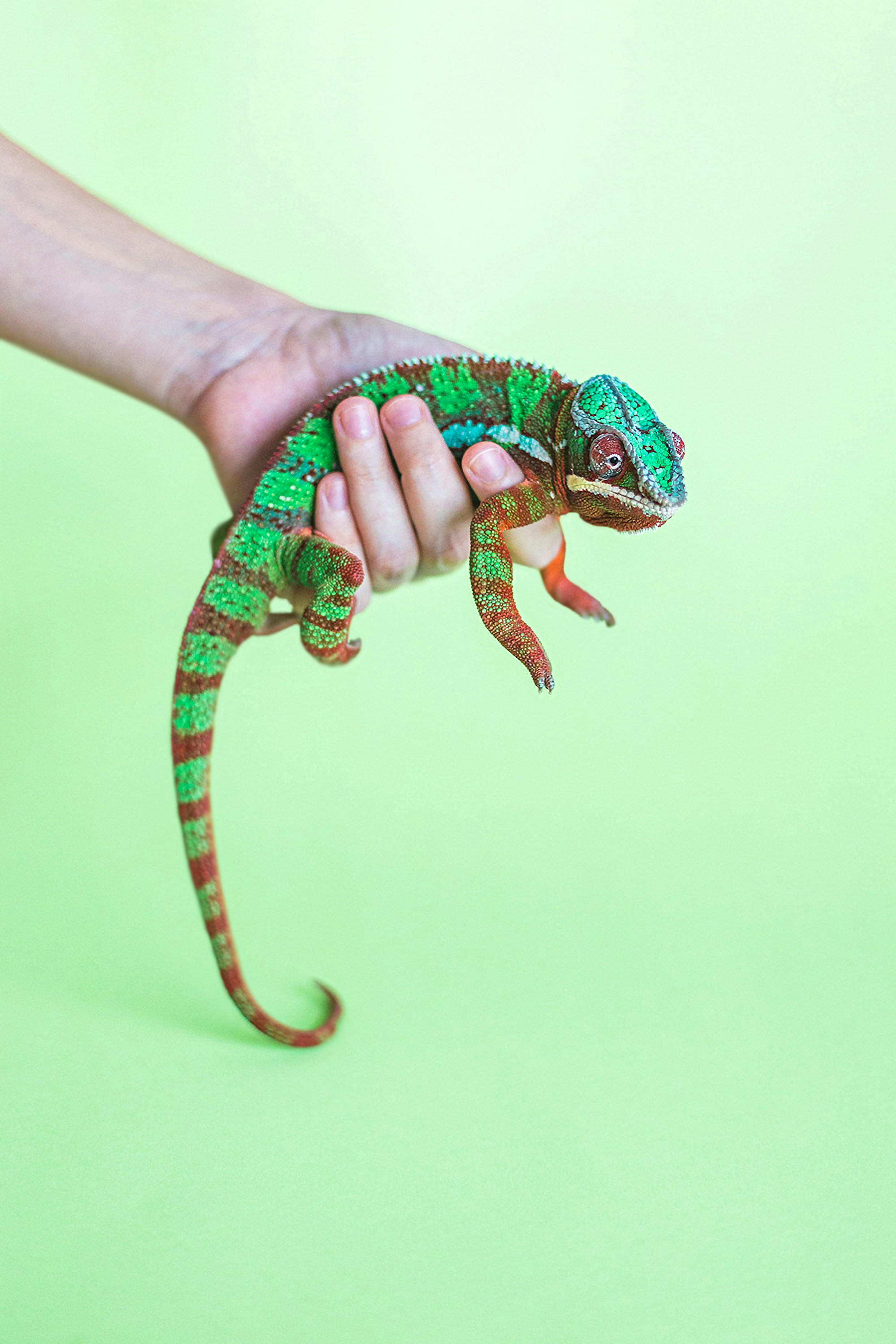
Enrichment activities are essential for the physical and mental well-being of exotic pets. Unlike domesticated animals that have adapted to life with humans over thousands of years, many exotic species retain their wild instincts and require stimulation to prevent boredom, reduce stress, and encourage natural behaviors. Providing appropriate enrichment can significantly improve your pet's quality of life and help them thrive in captivity.
What Are Enrichment Activities?
Enrichment activities are designed to stimulate an animal's physical, mental, and sensory abilities by providing opportunities to engage in natural behaviors. These activities can include environmental changes, social interactions, puzzle-solving tasks, and sensory stimulation. The goal is to create a dynamic environment that challenges your pet and encourages them to use their instincts.
Why Enrichment Matters for Exotic Pets
Exotic pets face unique challenges in captivity that can lead to boredom and stress. In the wild, these animals would spend much of their time foraging for food, exploring their environment, avoiding predators, and interacting with other members of their species. In captivity, these natural behaviors are often limited, which can result in:
- Stereotypic behaviors (repetitive movements like pacing or circling)
- Decreased activity levels and obesity
- Aggressive or fearful behavior
- Compromised immune function
- Self-harm or destructive behavior
- Reduced lifespan
Types of Enrichment Activities
1. Environmental Enrichment
This involves modifying your pet's enclosure to create a more natural and stimulating environment. Examples include:
- Adding natural elements like rocks, branches, and plants
- Creating different levels and hiding spots
- Adjusting lighting to mimic natural day-night cycles
- Adding water features for species that enjoy swimming
- Changing the layout of the enclosure periodically
2. Food Enrichment
Food enrichment encourages natural foraging behaviors and makes mealtime more engaging. Examples include:
- Using puzzle feeders that require manipulation to access food
- Scattering food throughout the enclosure
- Hiding food in different locations
- Offering live or frozen prey (where appropriate)
- Providing food in different forms (whole, chopped, pureed)
3. Sensory Enrichment
Sensory enrichment stimulates your pet's senses (sight, sound, smell, touch, taste). Examples include:
- Playing natural sounds (forest noises, water sounds)
- Introducing safe scents (herbs, spices, natural oils)
- Providing different textures to explore
- Using visual stimuli like mirrors or moving objects
- Offering a variety of safe tastes
4. Physical Enrichment
Physical enrichment encourages exercise and movement. Examples include:
- Adding climbing structures
- Providing exercise wheels or balls (for appropriate species)
- Creating obstacle courses
- Allowing supervised time outside the enclosure
- Offering toys that encourage play and movement
5. Social Enrichment
Social enrichment provides opportunities for interaction with other animals or humans. Examples include:
- Providing companions of the same species (where appropriate)
- Regular handling and interaction with humans
- Supervised play sessions
- Visual access to other animals
Species-Specific Enrichment Ideas
Reptiles
- Add climbing branches and rocks for bearded dragons
- Provide a digging box filled with safe substrate for tortoises
- Offer puzzle feeders that require pushing or pulling for snakes
- Create a humid hide with moss for species that need high humidity
- Rotate decorations and plants in the enclosure regularly
Amphibians
- Add live plants to axolotl tanks for hiding and exploration
- Provide floating objects for tree frogs to rest on
- Create a misting system to simulate rainfall
- Offer live prey that encourages hunting behaviors
- Add different textures (smooth rocks, rough bark) to the enclosure
Small Mammals
- Create a foraging box with shredded paper and hidden treats for sugar gliders
- Provide tunnels and hiding spots for hedgehogs
- Offer puzzle feeders that require manipulation for chinchillas
- Add a dust bath for species that enjoy dust bathing
- Provide chew toys made from safe materials
Birds
- Create foraging toys by hiding food in paper rolls or puzzle boxes
- Provide swings, ladders, and perches of different sizes and textures
- Offer safe branches for chewing and shredding
- Play natural sounds or music appropriate for the species
- Provide mirrors or reflective objects (for some species)
DIY Enrichment Ideas
You don't need to spend a lot of money to provide enrichment for your exotic pet. Many effective enrichment items can be made at home using safe, household materials:
- Create a foraging puzzle by putting treats inside a cardboard tube with paper towels
- Make a digging box using a plastic container filled with safe substrate
- Create climbing structures using branches and non-toxic glue
- Make a bird toy by stringing together safe materials like paper, wood, and leather
- Create a sensory bin with different textures (dry rice, birdseed, shredded paper)
Monitoring Enrichment Effectiveness
It's important to monitor your pet's response to enrichment activities and adjust them as needed. Some signs that enrichment is working include:
- Increased activity and exploration
- Engagement with enrichment items
- Decrease in stereotypic behaviors
- Healthy appetite and digestion
- Positive interaction with humans and other animals
If your pet doesn't show interest in an enrichment item, try modifying it or offering something different. Rotate enrichment items regularly to prevent boredom.
Remember: Always prioritize your pet's safety when providing enrichment. Avoid small parts that could be swallowed, toxic materials, and anything that could cause injury. Research your specific species' needs and preferences to provide the most effective enrichment.